Masonry & chimney repair
Stop the water, and the damage stops with it.
- Leak traced before anything is fixed
- Crown, joints and flashing
- Written price before work
The first thing we ask on a chimney repair call is where the water is getting in. Almost every masonry problem, from crumbling mortar to stained ceilings to rusted dampers, starts with moisture. San Diego's rain comes mostly between December and March, so damage tends to advance in bursts, one wet season at a time.
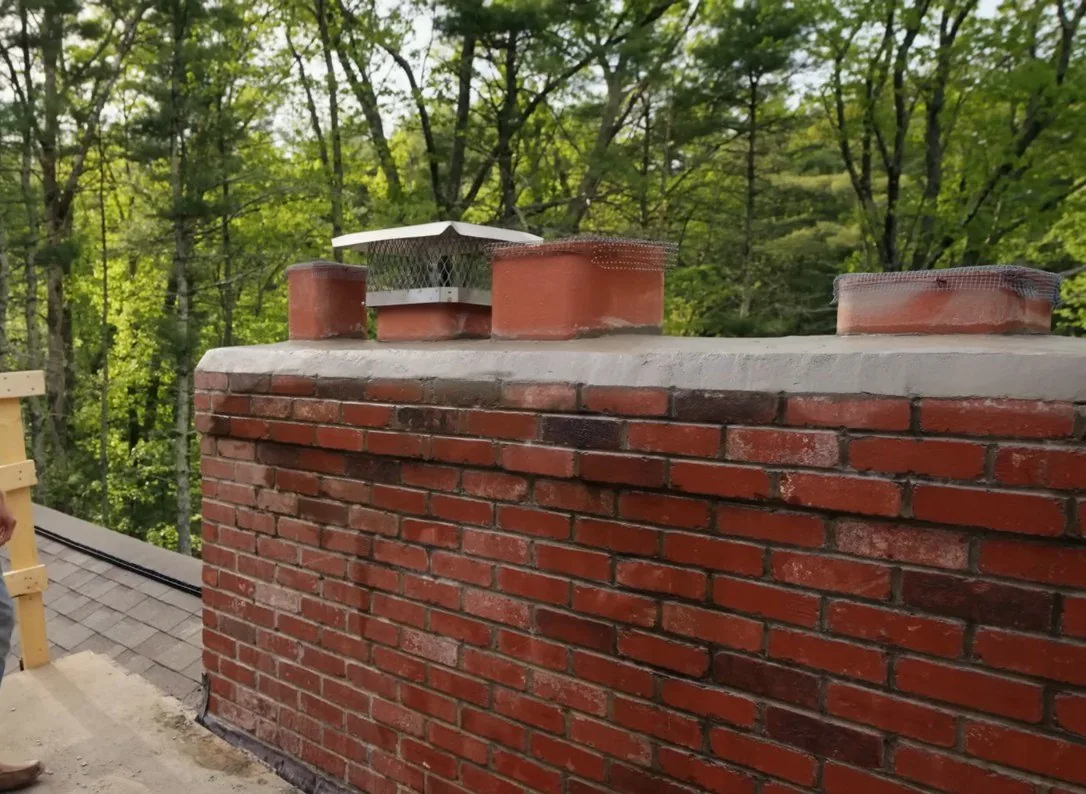
We trace the leak or crack back to its source, which may be a split crown, gaps in the flashing where the chimney meets the roof, or open mortar joints, and repair that part properly. A missing chimney cap is often part of the story. If the inside of the flue is in question, a camera inspection comes first.
Water stain on the ceiling by the chimney?
Send a photo with your request and we'll call to set up a visit.
Chimney repairs we handle
Each repair targets the part that failed, with the materials the chimney was built from.
Crown repair & rebuild
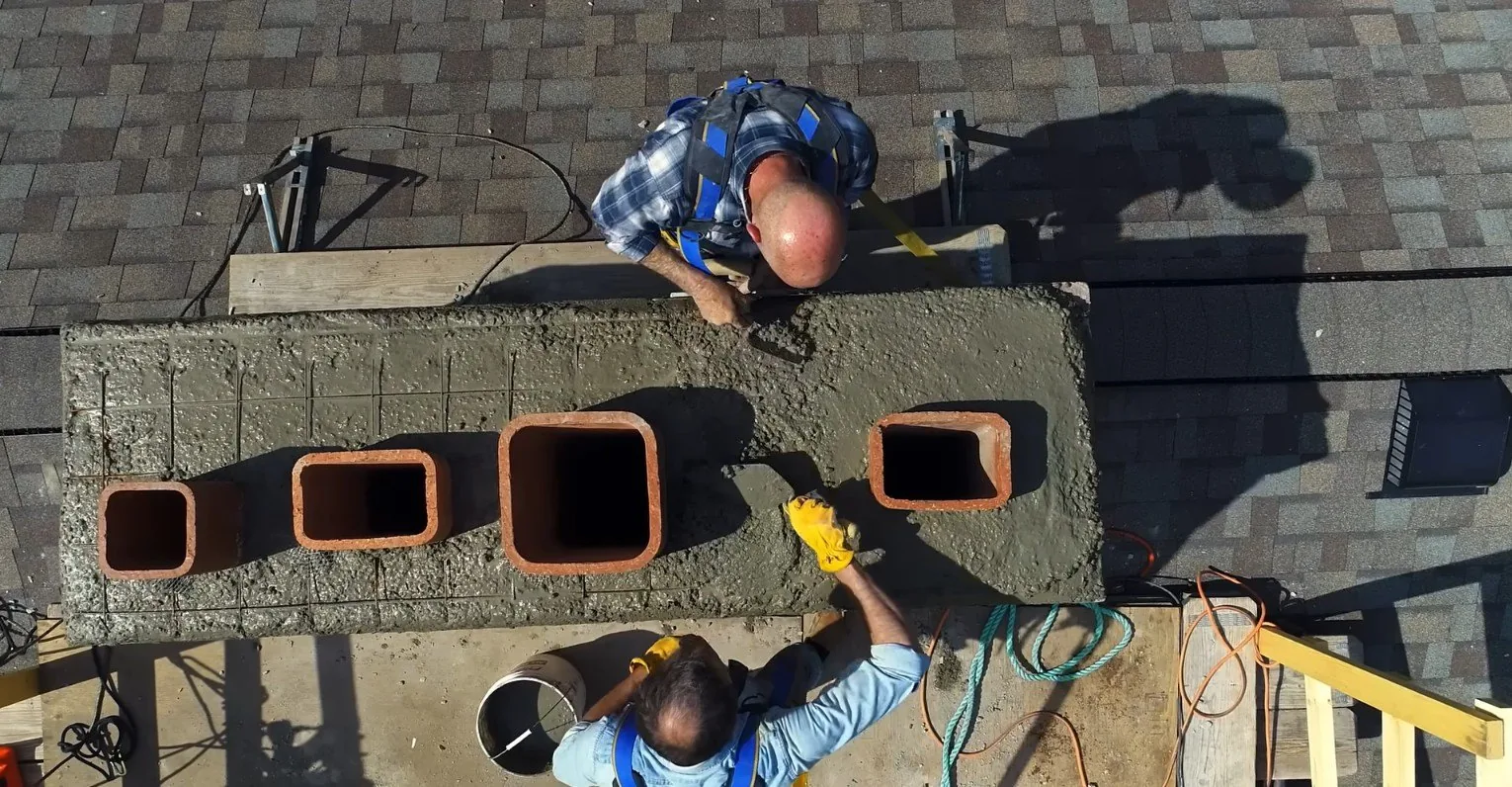
Hairline cracks sealed; crowns that are broken through or sloped the wrong way rebuilt so water runs off the top instead of soaking in.
Mortar joints & brick
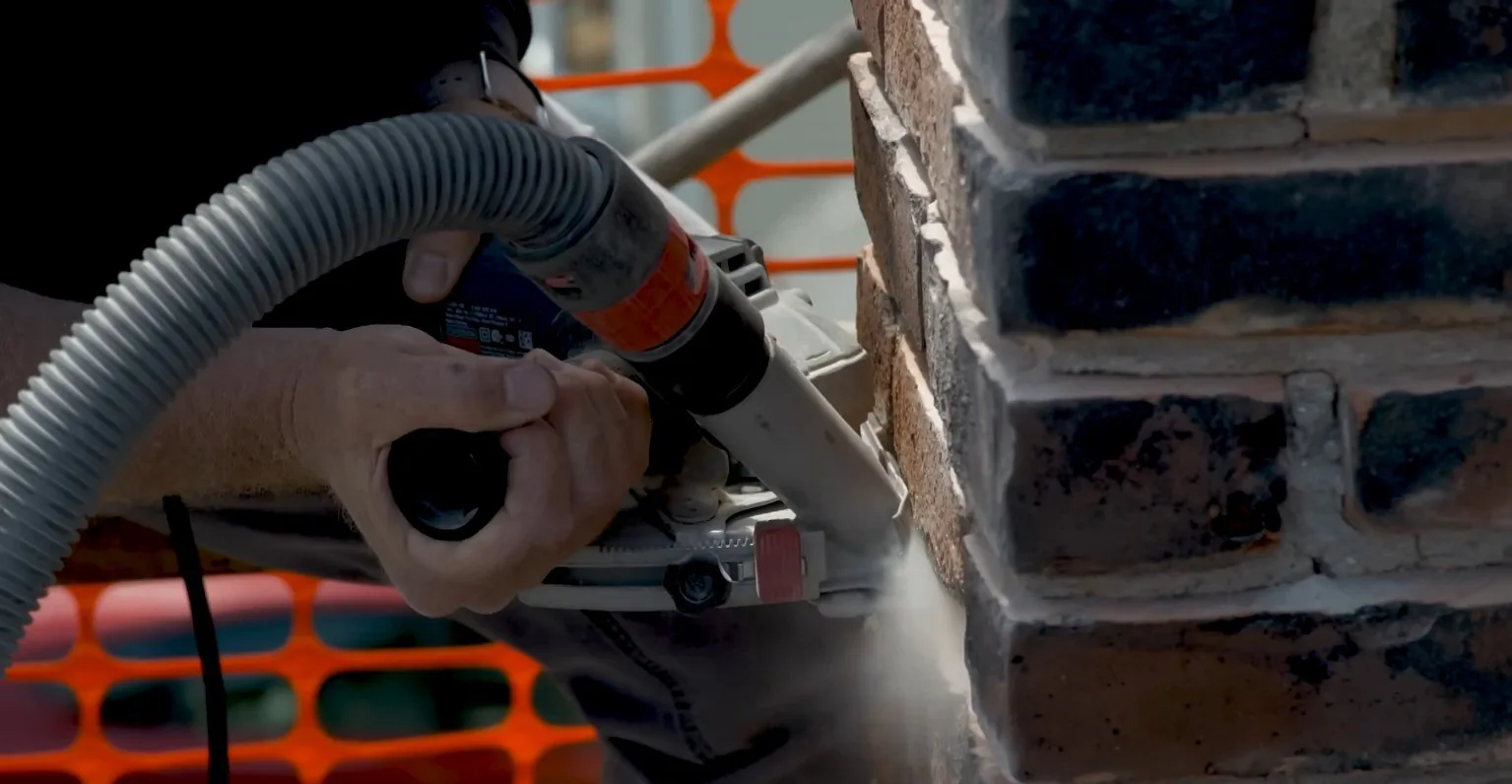
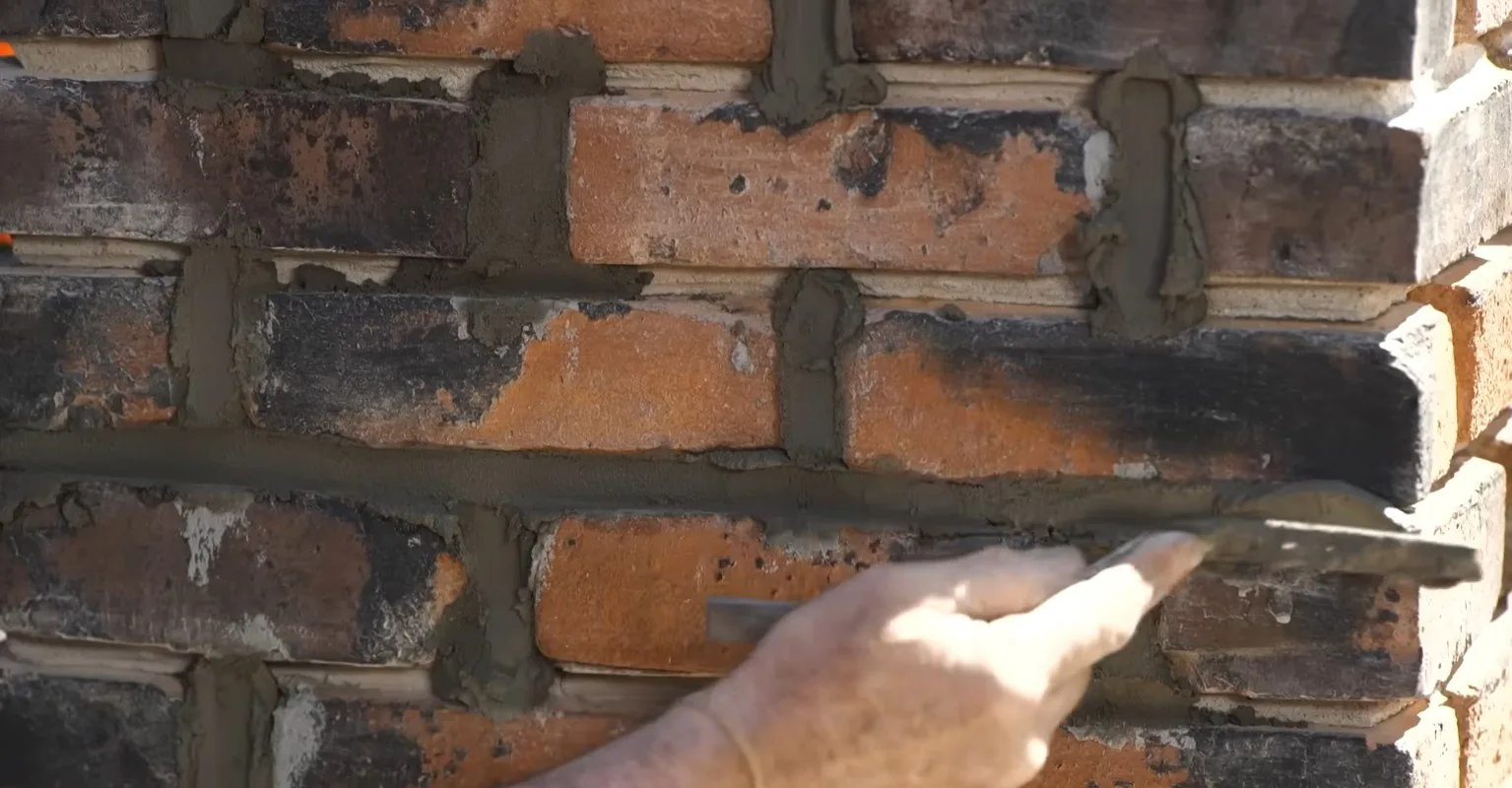
Failing joints cut out and repointed, and spalled or loose bricks replaced so the structure stays tight.
Flashing repair
The seal between chimney and roof re-flashed where it has pulled away, a common source of the stain on the ceiling below.
Liner repair
Cracked or gapped flue liners found on camera, with repair or relining options explained.
Repair now or wait?
Fix it before the rain
Open joints, a cracked crown or loose flashing let water in every storm. These are cheaper to fix early than after a season of freeze-free but steady soaking.
Don't use it until it's fixed
Liner cracks, gaps or damage from a chimney fire let heat and gases reach places they shouldn't. Repair comes before the next fire.
Signs your chimney needs repair
Masonry usually warns you before it fails. Look for:
- Stains on the ceiling or wallWater following the chimney into the house.
- White staining on the brickMinerals left behind as water moves through the masonry.
- Gaps or crumbling mortarJoints you can scratch out with a key need repointing.
- Cracked or chipped crownVisible from the roof or in a photo taken from the ground with a zoom lens.
- Rust on the damper or fireboxWater is getting down the flue.
Safety first. Don't stand on or lean ladders against a chimney with loose brick, and keep people away from the area below it. After any strong earthquake, have the chimney checked before you use it.
How we approach chimney repair
Diagnosis before demolition
We confirm where water or damage comes from so you don't pay to fix the wrong thing.
Matched materials
Mortar and masonry suited to the chimney you have, not a quick patch that pops out next winter.
Line-item estimate
Each part of the repair priced separately, so you can see what's urgent and what can wait.
Cap and crown as a system
We look at how the top of the chimney sheds water, because that's where most leaks begin.