 Clear Sky Chimney & Air Duct
Plenty of San Diego homeowners light a fire a handful of times a winter, then forget the fireplace exists until next December. So it's fair to ask whether the chimney needs anything at all.
The short answer comes from NFPA 211, the national standard for chimneys, fireplaces and vents: inspect at least once a year, and clean or repair as the inspection shows. The rest of this guide explains what 'as needed' looks like in practice.
What the standard actually says
NFPA 211 says chimneys, fireplaces and vents shall be inspected at least once a year for soundness, freedom from deposits and correct clearances. The Chimney Safety Institute of America (CSIA) stresses that this applies to chimneys that are rarely used, too.
Why bother with a fireplace you barely touch? Because an idle flue is attractive to birds and rodents, and masonry weathers regardless of use. A nest in the flue is enough to send smoke back into the room the first time you light a fire.
Inspection and cleaning are separate jobs. A yearly inspection may find a clean flue, in which case no sweep is needed yet.
When a chimney needs cleaning
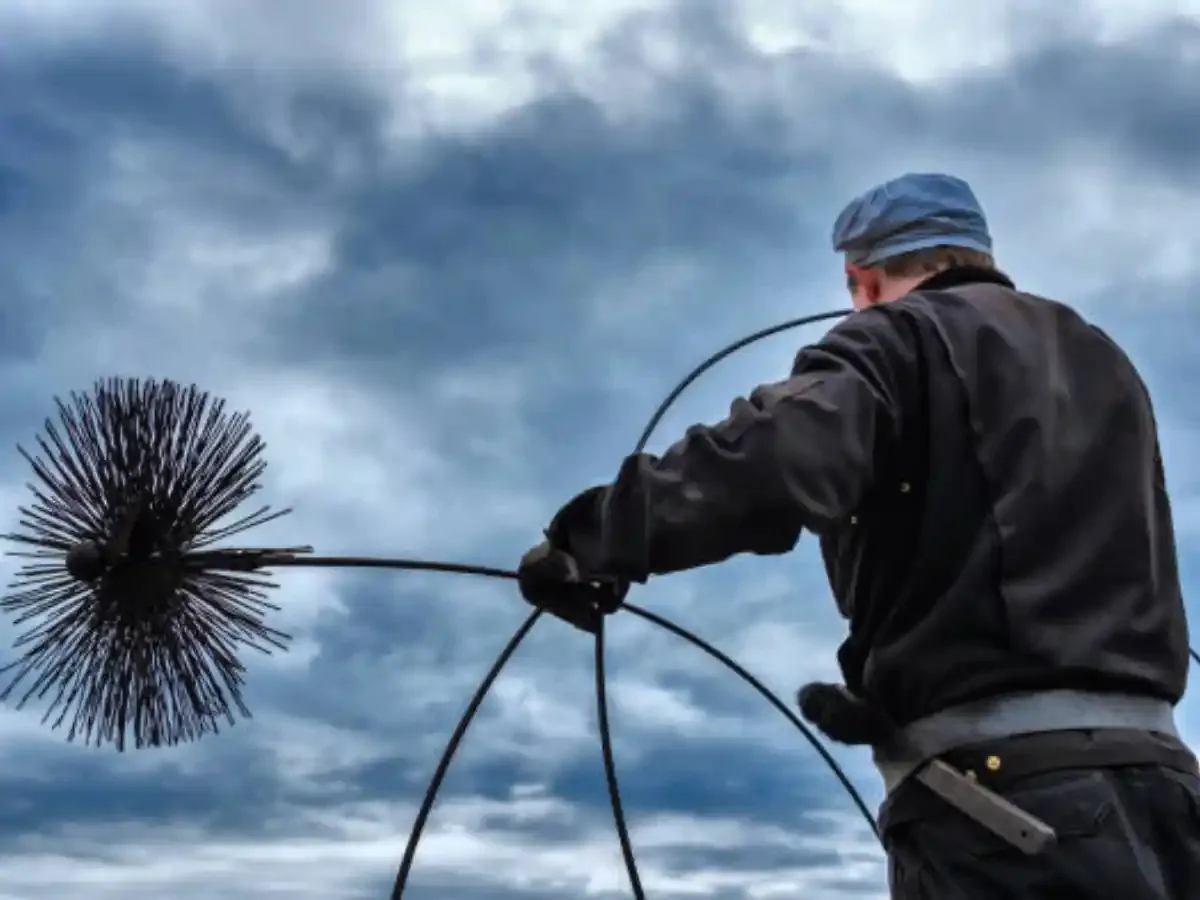
CSIA's guideline for masonry fireplaces is to sweep once there's about 1/8 inch of sooty buildup in the flue, and sooner if there's any glazed creosote.
The three forms of creosote
| Form | What it looks like | What it means |
|---|---|---|
| Flaky or sooty | Dry, crumbly black deposits | Normal buildup; brushes out readily |
| Tar-like | Sticky, drippy, brown or black | Smoke is cooling too fast in the flue |
| Glazed | Hard and shiny | Hardest to remove; may need treatment before brushing |
CSIA describes creosote in every form as highly combustible, and notes that several forms can show up in the same chimney.
What makes creosote build up faster
- Restricted air. Glass doors kept shut, a damper not fully open, or stove air controls closed down too early.
- Wet wood. Unseasoned wood burns cooler, so the smoke condenses sooner.
- A cold flue. Cooler-than-normal chimney temperatures speed up condensation.
- Slow, smoldering fires. The longer smoke lingers in the flue, the more creosote forms.
Signs you shouldn't wait for the yearly visit
- Black flakes falling into the firebox
- A strong smoky smell from the fireplace, especially on humid days
- Fires that are hard to start or that smoke into the room
- Scratching, chirping or debris on the smoke shelf
If you ever hear a loud cracking or a low rumble like a freight train from the fireplace, or see dense smoke or flames from the top of the chimney, get everyone out and call 911. Those are signs of a chimney fire.
After a chimney fire, sale or earthquake
CSIA notes that most chimney fires go unnoticed. A sweep may find the evidence later: puffy, honeycombed creosote, warped metal, cracked flue tiles or a discolored cap.
In those cases, and when a home is sold, when you change appliance or fuel, or after a weather or seismic event, CSIA recommends a Level 2 inspection, which adds a camera scan of the flue. See our chimney inspection page for what that involves.
Best timing in San Diego
Most of the city's rainfall lands from December through March, the same months most fireplaces get lit. Late summer or early fall is a good time for the yearly inspection and any chimney cleaning: the flue is ready before the first fire, and there's time to fix a crown or cap before the storms.
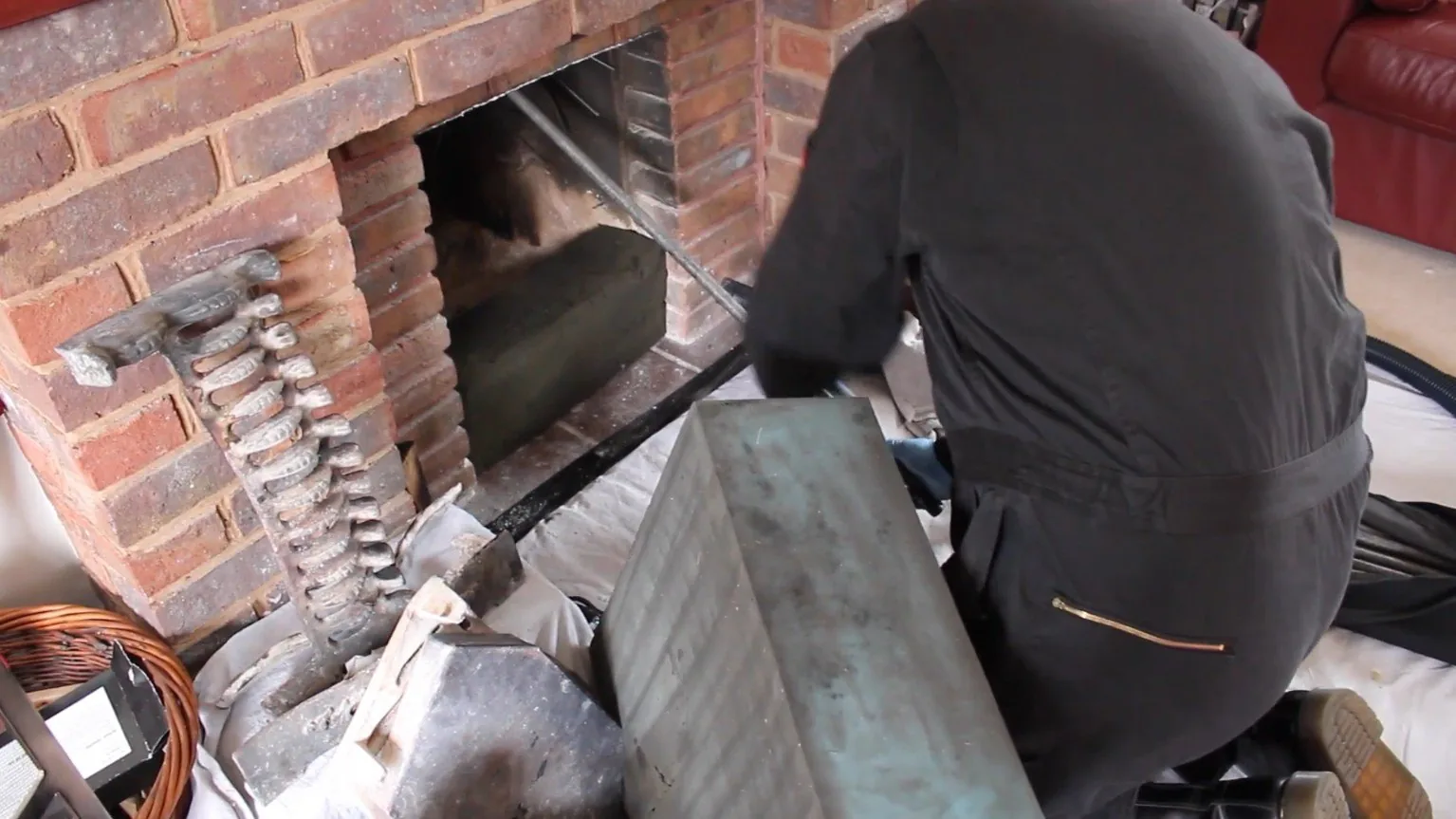
Need it fixed?
Chimney Cleaning across San Diego
We look at the whole system first and give you a written estimate before any work starts.
Frequently asked questions
Can I skip the inspection if I didn't use the fireplace this year?
The standard doesn't make that exception. An unused flue can still collect nests and debris, and masonry can still crack, so a yearly check is recommended either way.
Do chimney sweeping logs replace a professional cleaning?
No. According to CSIA they may loosen some deposits, but they're no stand-in for brushing the flue and inspecting it.
Is a gas fireplace exempt?
No. Gas burns cleaner, but CSIA notes gas-vented chimneys can stop working when nests or debris block the flue, so they still need checking.