Chimney inspection
Know what's inside your chimney before you light it, buy it or sell it.
- Annual Level 1 inspection
- Level 2 camera inspection when needed
- Findings explained in plain language
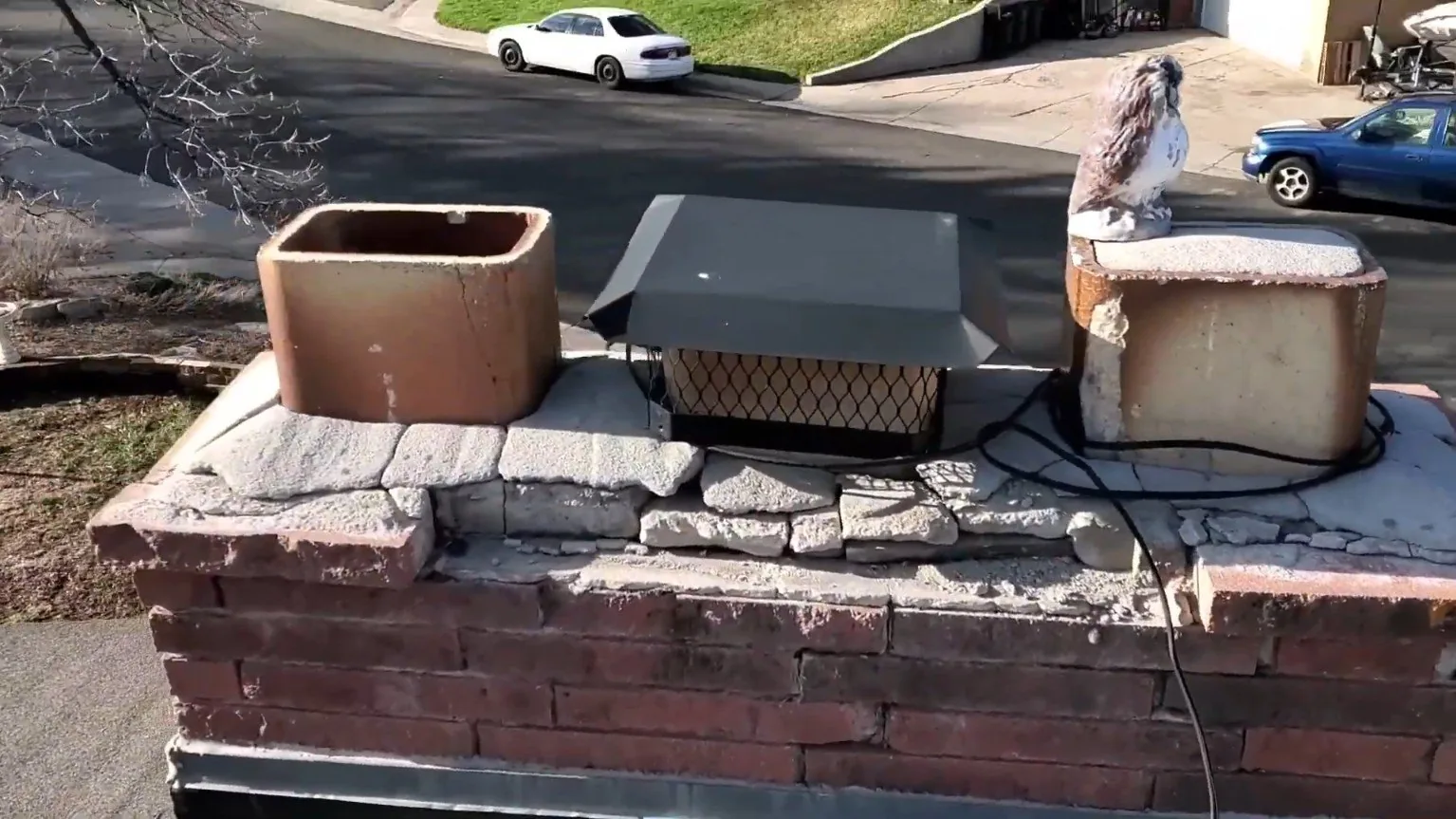
Why inspect a chimney you barely use? Because the fire code doesn't make an exception. NFPA 211, the national standard for chimneys and fireplaces, says chimneys, fireplaces and vents should be inspected at least once a year, and CSIA points out that applies to rarely used chimneys too, since animals nest in idle flues and masonry ages regardless.
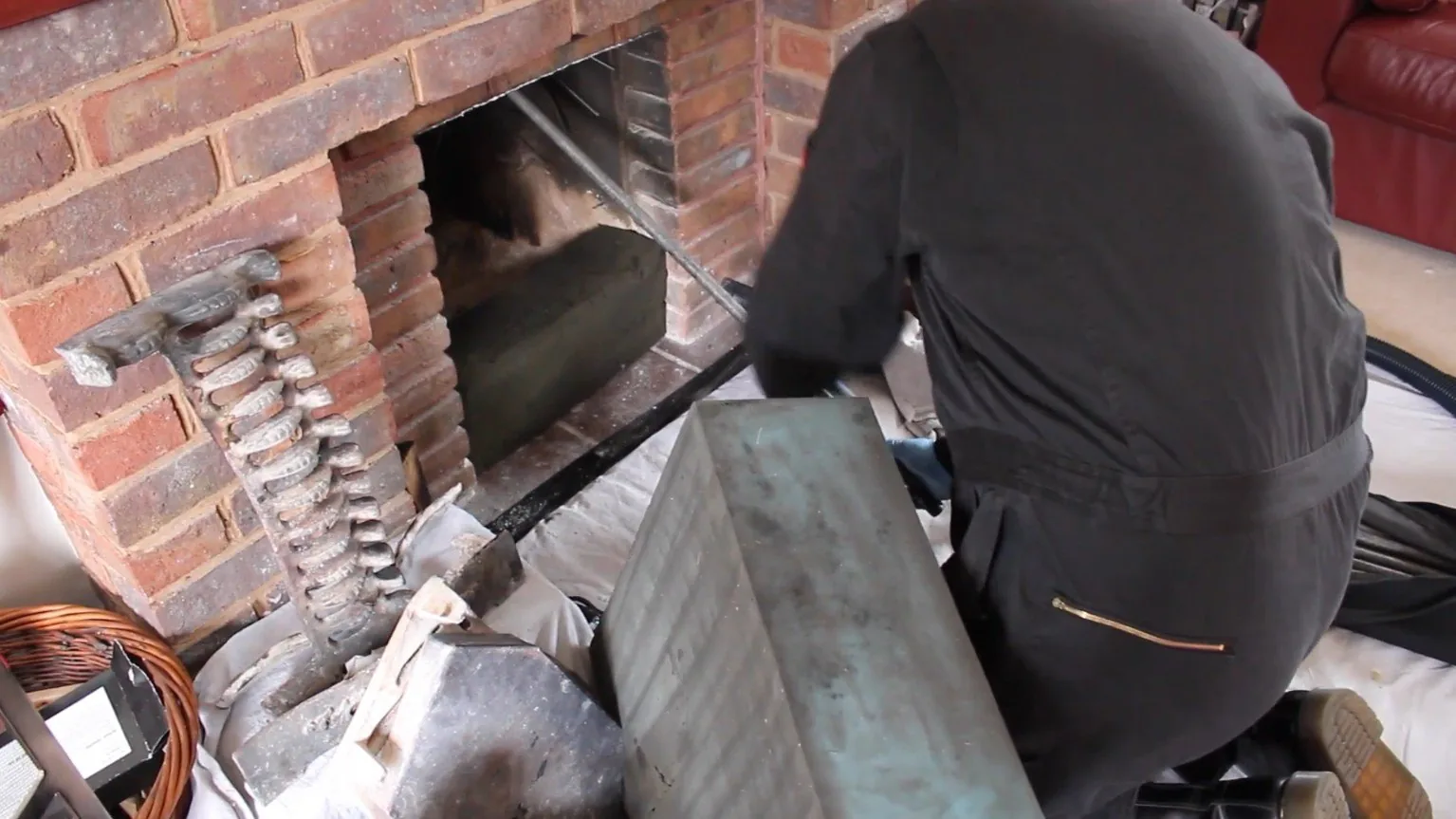
A chimney inspection tells you whether the system is sound, free of deposits and safely clear of combustible materials. Most homes need the routine Level 1 check. A home sale, a new appliance or a damaging event calls for a Level 2, which adds a camera run through the flue. If the flue needs it, we'll pair the inspection with a chimney cleaning.
Selling, or buying, a house with a fireplace?
Request a Level 2 inspection early in escrow so there's time to act on the findings.
Chimney inspections we offer
The level depends on what's changed and what you need to know, not on how much we can sell.
Level 1 inspection
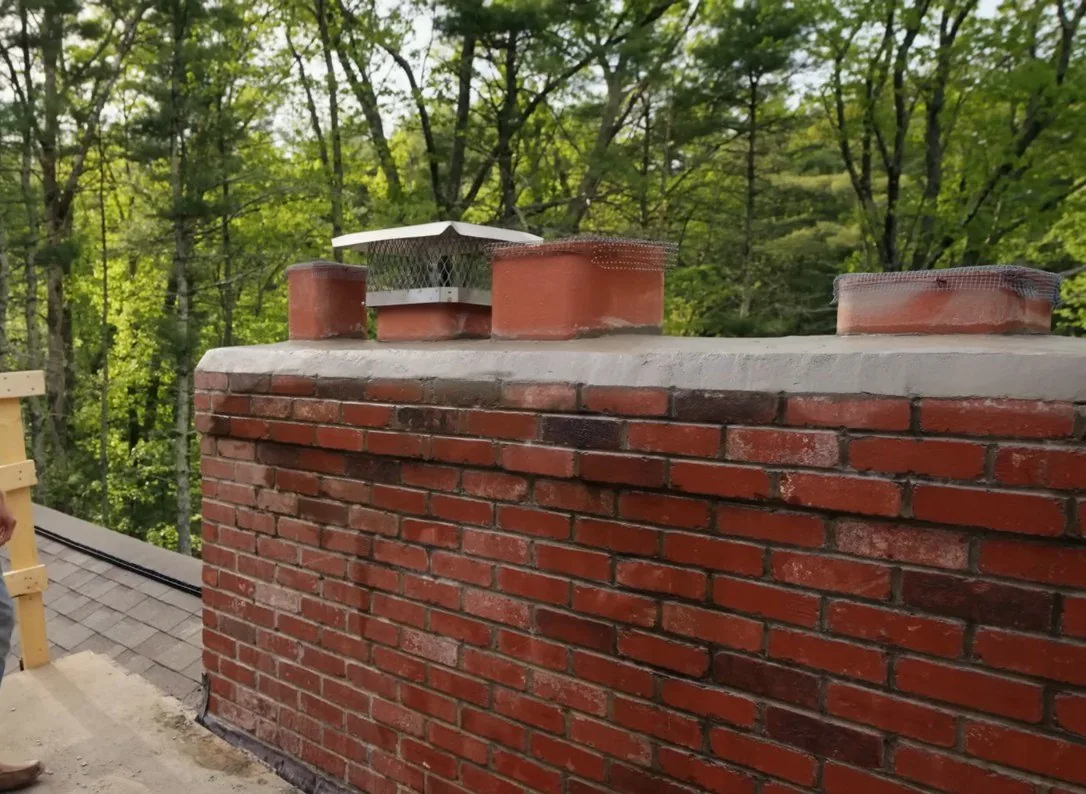
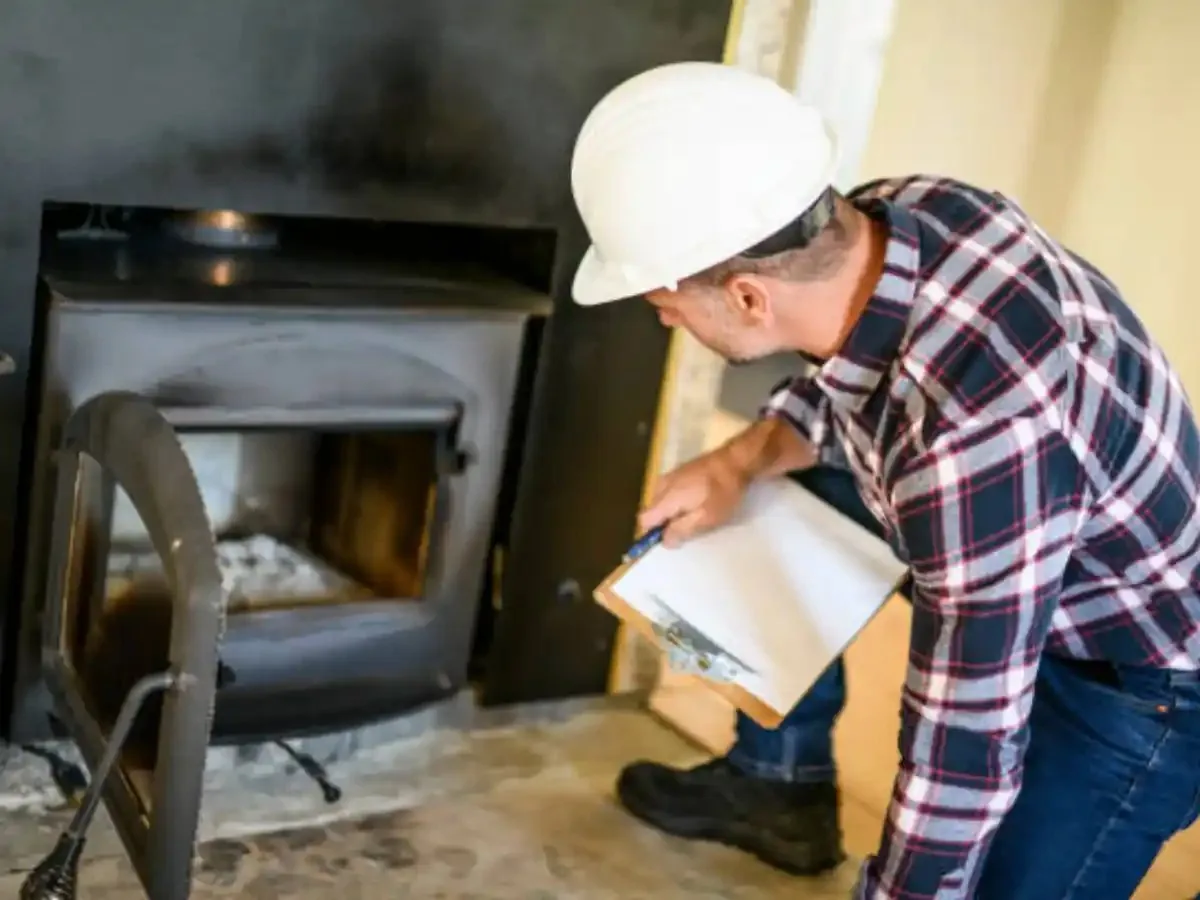
The yearly check of the readily accessible parts: the exterior of the chimney, the interior where we can reach it, the firebox, damper and connections, against NFPA 211.
Level 2 inspection
Everything in a Level 1 plus a video scan of the flue interior and a look in accessible attics, basements and crawl spaces where the chimney passes through.
Real estate inspections
A Level 2 is recommended when a property is sold. You get findings you can share with your agent or the other party.
Post-event checks
After a chimney fire, an earthquake or a severe storm, a Level 2 shows whether the liner and structure came through intact.
Level 1 or Level 2?
Level 1: nothing has changed
You use the fireplace the same way, with the same appliance and fuel, and you want the annual check. This is the standard inspection.
Level 2: something has changed
CSIA recommends it when the property is sold, when you switch appliance or fuel, before relining, after a chimney fire or a weather or seismic event, or when a Level 1 can't confirm the system is safe.
When to book an inspection now
Book sooner than the yearly reminder if any of these apply:
- You're in escrowBuying or selling triggers a Level 2 recommendation.
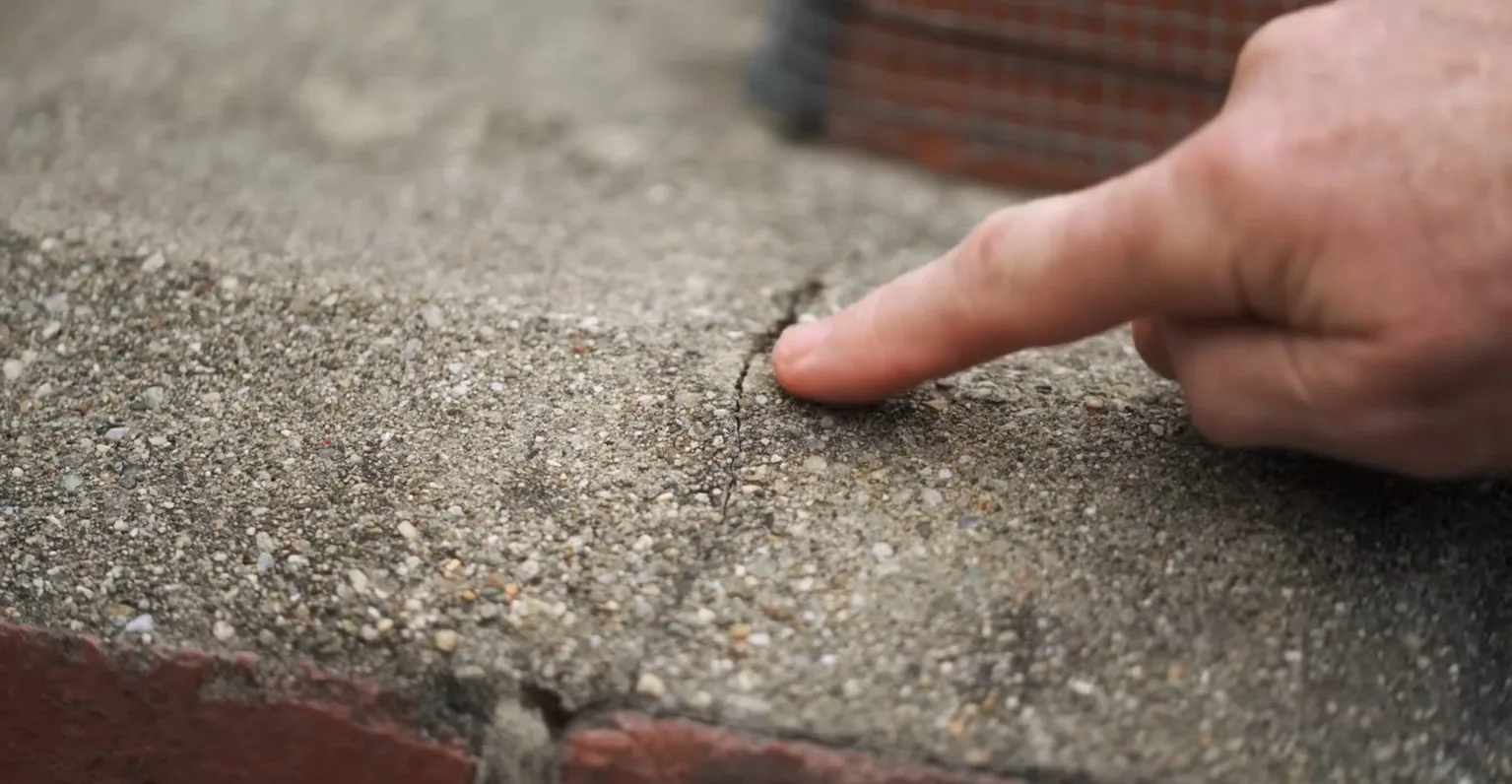
- You felt a strong earthquakeShaking can crack flue tiles and mortar where you can't see it.
- You heard a loud roar from the fireplaceA low rumble like a passing train is a classic sign of a chimney fire.
- Water stains near the chimneyLeaks often mean a crown or flashing problem that needs a closer look.
- You're switching to gas or an insertA change of appliance or fuel is a Level 2 trigger.
Safety first. If an inspection finds cracked flue tiles, a damaged liner or signs of a past chimney fire, don't use the fireplace until it's repaired. Smoke and gases can escape through the gaps into the walls or back into the house.
What you get from our inspections
Clear findings
We go through what we checked and what we saw, and point out anything that should be fixed before the next fire.
Camera footage for Level 2
The flue interior is recorded so you can see cracks, gaps or offsets for yourself.
No pressure on repairs
Recommended work comes with a written price. Whether and when you do it is up to you.
Attic and roof checked
Where the chimney passes through floors and the roof is where clearances and water damage show up.