 Clear Sky Chimney & Air Duct
Air duct cleaning is one of the easiest home services to oversell, because nobody can see inside their own ductwork. So it helps to start from a neutral source.
The U.S. Environmental Protection Agency's position is clear: it doesn't recommend routine duct cleaning, only cleaning as needed, and duct cleaning hasn't been shown to prevent health problems. That doesn't mean it's never useful. It means there should be a reason.
When duct cleaning makes sense
The EPA lists three situations where you should consider having ducts cleaned:
- Substantial visible mold inside the ducts or on other parts of the heating and cooling system. The EPA says mold should be confirmed, and wet or moldy fiberglass insulation replaced rather than cleaned.
- Vermin, such as rodents or insects, in the ductwork.
- Ducts clogged with excessive dust and debris, or particles actually coming out of the supply registers.
If moisture or leaks caused the problem, fix them first. Otherwise, the EPA notes, the problem is likely to come back.
What a proper cleaning includes
Cleaning only the duct runs isn't enough. The EPA says a thorough job covers every component air passes through, because a dirty part can recontaminate the clean ones:
| Component | Why it matters |
|---|---|
| Supply and return ducts | The main runs that carry air to and from rooms |
| Registers, grilles and diffusers | Where air enters and leaves each room |
| Heat exchanger and cooling coil | Surfaces where dust and moisture collect |
| Condensate drain pan | Standing water here can grow mold |
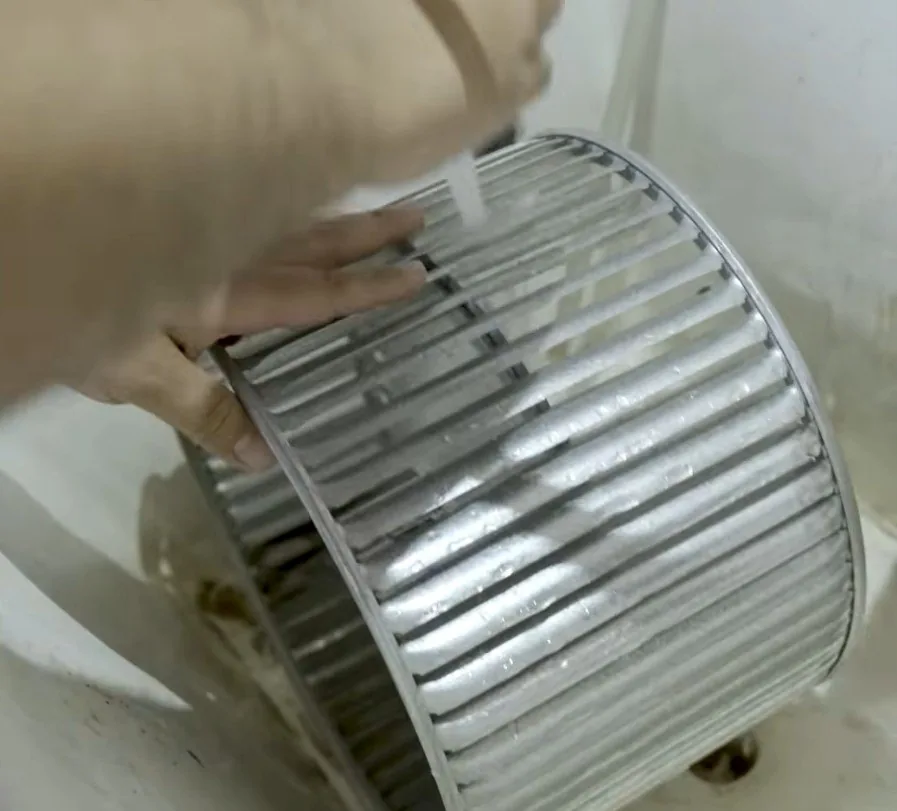
| Fan motor and housing | Blows whatever is in the system into the house |
| Air handler housing | The cabinet that holds it all |
When the job is done, the system should be visibly clean, and the company should be willing to show you each component.
Biocides and sealants
Some companies offer to spray sanitizers or seal the inside of ducts. The EPA notes there are no EPA-registered biocides for fiberglass duct board or fiberglass-lined ducts, and that sealants aren't routinely recommended. If a treatment is ever suggested, ask why, and make sure the system is cleaned first.
Choosing a duct cleaning company
- Get written estimates, and a written agreement on total cost and scope before work begins.
- Ask whether they follow NADCA (National Air Duct Cleaners Association) standards.
- Be wary of sweeping health claims or pressure to clean on a schedule.
- Walk away from anyone who claims to be EPA-certified. The EPA doesn't certify duct cleaners.
Keeping ducts clean in the first place
- Use the highest-efficiency filter your system's manufacturer allows, and change it regularly.
- Seal off registers during dusty remodeling, and don't run the system until the dust is cleaned up.
- Keep moisture under control: fix leaks and make sure the drain pan drains.
In San Diego, dry Santa Ana wind events from fall into spring can mean more dust around the house. Checking the filter after a windy spell is a simple habit. If you do have a reason to clean, see our air duct cleaning page.
Need it fixed?
Air Duct Cleaning across San Diego
We look at the whole system first and give you a written estimate before any work starts.
Frequently asked questions
Does duct cleaning improve indoor air quality?
According to the EPA, studies haven't conclusively linked dirty ducts to higher dust levels at home, and the agency has found no evidence that cleaning ducts prevents illness. Removing mold or pests where they exist is a different matter.
How often should ducts be cleaned?
Only when needed, according to the EPA. There's no set schedule.
Is it safe to stay home during duct cleaning?
Generally yes. Proper equipment pulls debris into a collection system under negative pressure rather than releasing it into the house.